


Massacre in Niger State Village: At Least 30 Killed as Gunmen Rampage Through Market
- by Muhammed Abdulmalik, RNG247
- about 1 months ago
- 223 views
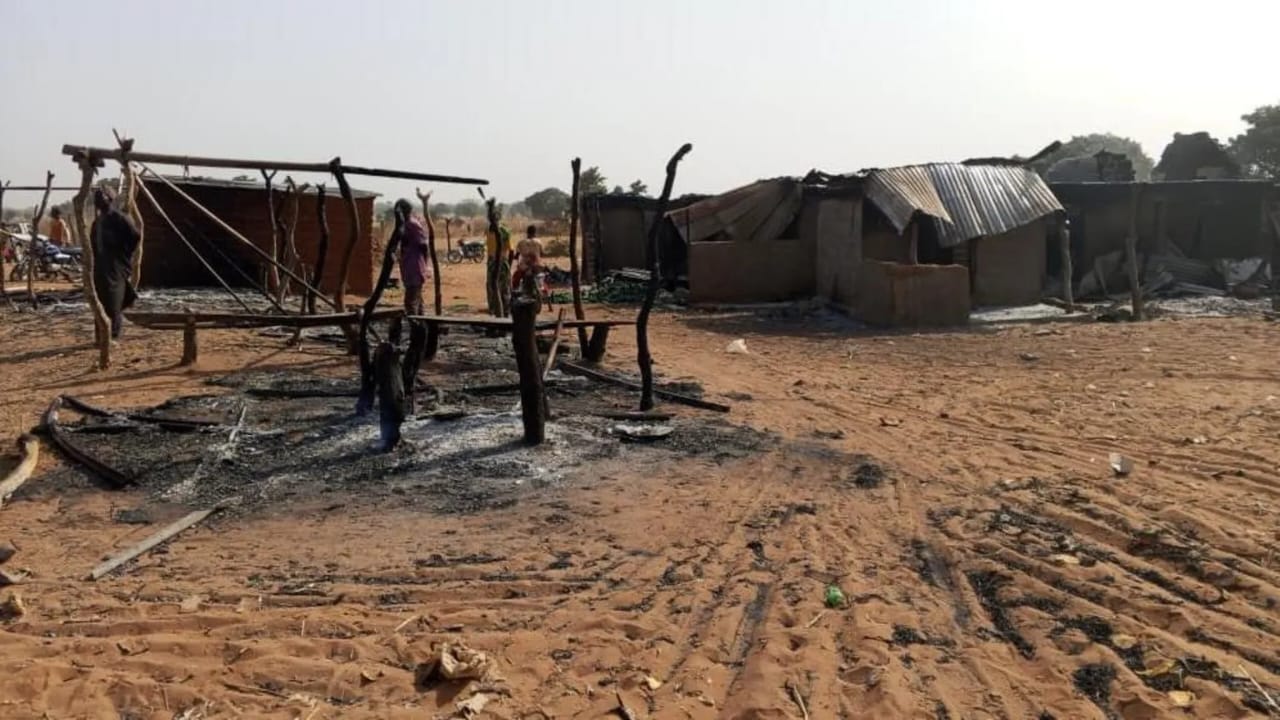
At least 30 people were killed and several others kidnapped after armed men stormed the village of Kasuwan-Daji in Nigeria’s Niger State on Saturday, residents and state officials said, in one of a string of violent attacks that have intensified across the country’s central and western regions.
Witnesses said the attackers emerged from nearby forested areas on motorcycles, descending on the town in a coordinated assault that set the local market ablaze and left homes and shops looted. Survivors described scenes of indiscriminate killing: villagers rounded up in the streets, some slaughtered with close-range weapons and others shot dead as they attempted to flee.
“There were gunmen carrying weapons who entered the town on motorcycles, rounded people up and proceeded to slaughter them,” a local journalist told BBC Hausa. “Others were shot dead.” The exact number of people abducted remains unclear; police and emergency officials confirmed multiple kidnappings but have not released a precise figure.
Abdullahi Rofia, an official with the Niger State Emergency Management Agency, confirmed the scale of the killings and described the atmosphere of terror gripping the community. “People are hiding; they are too afraid to talk to anybody,” he said, adding that residents fear speaking out for fear of retribution. “They are scared that if you talk, they will turn and do the same to you.”
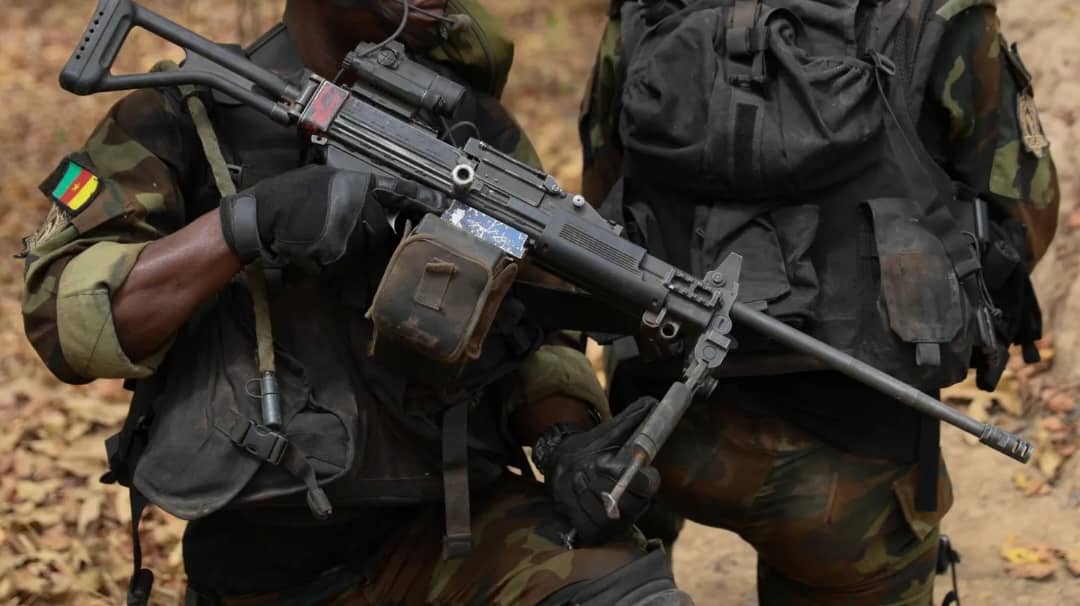
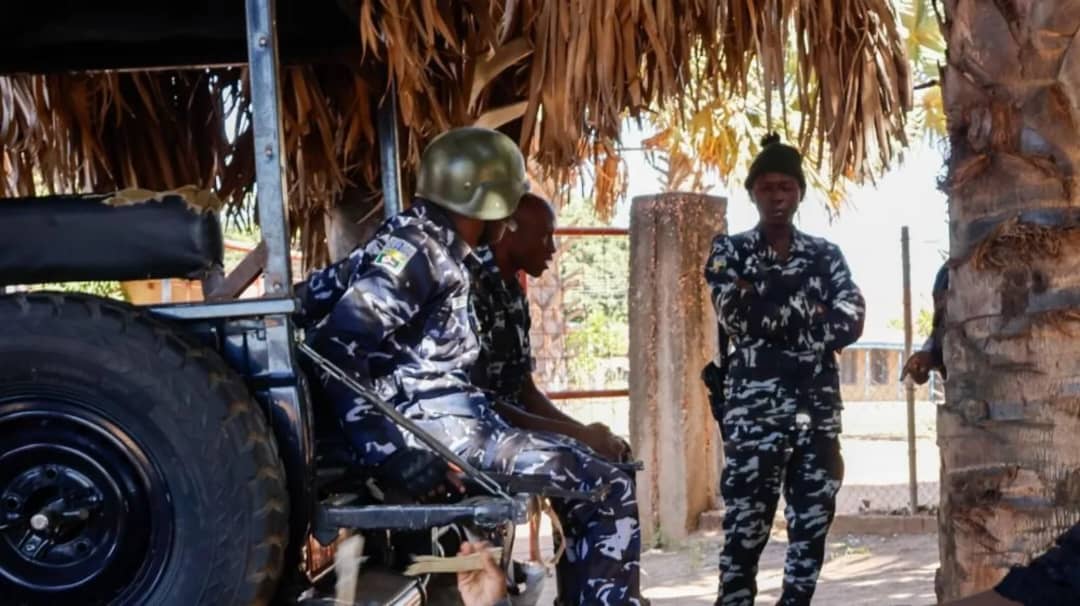
Niger State police spokesperson Wasiu Abiodun said an emergency response team had been dispatched to the scene to treat the injured and that security forces were working to locate and rescue those taken. Authorities have repeatedly classified the gangs behind such attacks as criminal “bandits” and, in many cases, have designated them as terrorists — a distinction that criminalizes ransom payments. Despite this, officials acknowledge that ransom payments sometimes occur, complicating efforts to curb the kidnappings.
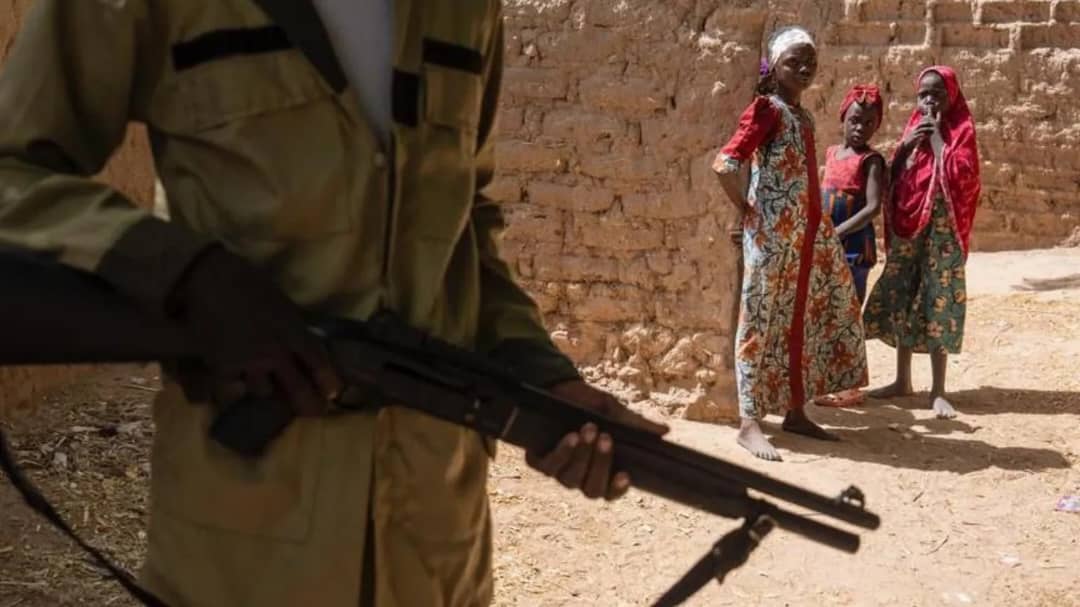
A witness to Saturday’s assault told BBC Hausa there were no security personnel in Kasuwan-Daji when the attack occurred. “We want the government to help us,” he said. “In the past, we used to hear about this problem in other places, but now it is happening in our villages.” The witness voiced a common refrain among victims: a sense of abandonment by authorities and desperation in the face of repeated violence. “We are dying like chickens. Does the government care about us?” he asked.
The attack comes amid a surge of violence and abductions by armed gangs across large swaths of Nigeria. The country has seen a spike in kidnappings for ransom, raids on rural communities, and mass abductions from schools — trends that have heightened public anxiety and prompted emergency measures by state governments.
Only a day before the Kasuwan-Daji massacre, Niger State officials had announced a phased reopening of schools that had been closed after a mass abduction in November. In that incident, more than 250 students and staff from St. Mary’s Catholic School in Papiri were abducted in what was then one of the nation’s deadliest school kidnappings. Authorities managed to recover the abducted students and teachers just before Christmas, but the episode underscored the vulnerability of educational institutions and rural communities to armed groups.
Local leaders and residents say the cumulative trauma of repeated attacks is driving displacement and eroding livelihoods. Markets — the economic lifeblood of villages like Kasuwan-Daji — have been targeted repeatedly, and the burning of the market on Saturday destroys not only goods but also vital sources of income for families already living on the margins.
State and federal officials have in recent months pledged renewed security operations against the bandits, but villagers complain that patrols are insufficient and that response times are too slow to prevent attacks. Analysts point to the complex dynamics fueling the violence: porous terrain that offers hideouts for armed groups, illicit economies that sustain them, and a shortage of adequately equipped and trained security forces to secure vast rural areas.
As rescue and recovery operations continue, emergency agencies are assessing the humanitarian needs of survivors and displaced residents. The lack of clear casualty and abduction figures underscores the difficulty of gathering reliable information from remote communities where fear and insecurity hinder reporting.
For now, the people of Kasuwan-Daji remain traumatized and fearful. “The government hears and sees what is happening, but it is not doing anything about it,” a resident said. “What can we do as ordinary people?” Authorities face mounting pressure to deliver protection and to stem the wave of violence that has turned once-peaceful villages into scenes of devastation.









0 Comment(s)